Faith, Hope and Healing: Standing with Women During Breast Cancer Awareness Month
October is a significant month for communities around the world as they observe Breast Cancer Awareness Month, widely recognised as Pink October.
Throughout the month, organisations, healthcare professionals, families and individuals come together to promote breast health awareness, encourage early detection and support those affected by breast cancer.
For the Christian community, this period also provides an opportunity to reflect on compassion, love, prayer and the responsibility to stand alongside people experiencing difficult seasons.
A breast cancer diagnosis can bring considerable uncertainty. It may affect a woman's physical health, emotional wellbeing, family relationships and financial circumstances. It can also affect the people closest to her, including her children, partner, relatives and friends.
As a church, we recognise the importance of offering encouragement, practical support and a compassionate community to individuals and families navigating these experiences.
At Gethsemane Ministries International, we believe that faith should be expressed not only through worship and prayer but also through the love and care we demonstrate towards others.
Understanding the Importance of Breast Cancer Awareness
Breast cancer develops when abnormal cells in breast tissue grow uncontrollably and form a tumour. If not detected and treated appropriately, the disease can spread to other parts of the body.
It affects women across different countries, backgrounds and age groups, although the likelihood of developing the disease generally increases with age.
Some recognised warning signs include:
- A new lump or thickening in the breast.
- A change in breast size or shape.
- Unusual changes to the skin of the breast.
- Changes to the nipple, including inversion.
- Unusual nipple discharge.
- Persistent changes around the breast or armpit.
These symptoms do not automatically indicate cancer. However, unusual changes should be assessed by a qualified healthcare professional.
The World Health Organization emphasises that early diagnosis, timely treatment and comprehensive care are important in reducing breast cancer mortality.
World Health Organization
Awareness campaigns are therefore valuable because they encourage individuals to become more informed about their health and seek appropriate medical advice.
The Emotional Challenges of a Breast Cancer Diagnosis
Receiving a cancer diagnosis can be an overwhelming experience.
A woman may experience fear, sadness, uncertainty or anxiety about what the future holds. She may have questions about treatment, family responsibilities, employment and how her life may change.
Even when treatment is available, the journey can involve demanding medical appointments, physical side effects, financial pressures and periods of emotional adjustment.
Some women may also struggle with changes in body image, confidence and personal identity.
Family members can experience their own emotional difficulties as they try to provide support while managing their concerns.
During these times, compassion and understanding are particularly important.
It is not always necessary to have the perfect words to encourage someone. Sometimes, listening without judgement, offering practical assistance or simply being present can make a meaningful difference.
Finding Strength Through Faith
For Christians, faith can provide a source of hope and spiritual encouragement during difficult circumstances.
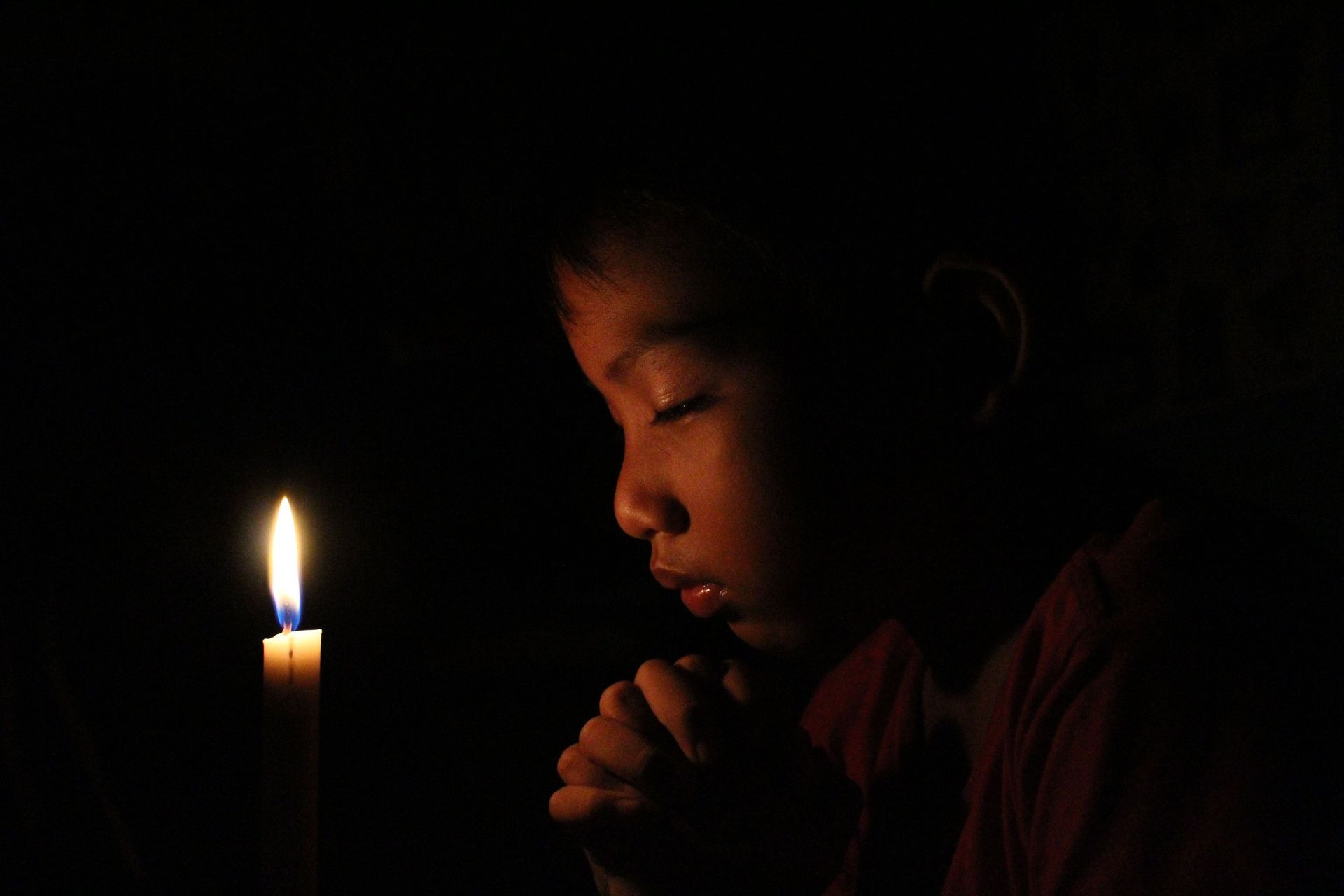
Prayer offers an opportunity to express fears, seek strength and bring personal concerns before God.
Isaiah 41:10 reminds believers not to fear because God is with them and promises to strengthen and uphold them.
This message can offer comfort to individuals who are facing uncertainty.
However, it is important to understand that faith should never be used to blame someone for becoming ill or to suggest that a person's diagnosis reflects a lack of belief.
Cancer is a medical condition that requires appropriate professional care.
Prayer and medical treatment are not opposing approaches. Christians can seek God's strength while also following the advice of qualified healthcare professionals.
The church should encourage hope without creating unrealistic expectations or placing additional emotional pressure on people who are already struggling.
The Role of the Church in Supporting Women
Church communities have an important opportunity to provide meaningful support during Breast Cancer Awareness Month and throughout the year.
Support can take several forms.
- Prayer and spiritual encouragement: Church members can offer prayer and spiritual support to women who request it, while respecting their personal circumstances and preferences.
- Practical assistance: Simple acts such as helping with transport, preparing meals, assisting with childcare or accompanying someone to an appointment can relieve some everyday pressures.
- Emotional support: Creating an environment where women feel comfortable sharing their experiences without judgement can help reduce feelings of isolation.
- Awareness and education: Churches can share reliable breast health information, encourage appropriate medical assessments and support community awareness initiatives.
- Family support: Cancer affects families as well as individuals. Partners, children and caregivers may also benefit from encouragement and opportunities to discuss their experiences.
These activities demonstrate how Christian love can become visible through practical action.
Breaking the Silence Around Women's Health
In some communities, conversations about breast health may be limited by embarrassment, fear or misinformation.
Some women may delay seeking medical attention because they are worried about what an examination might reveal. Others may be uncertain about where to obtain reliable information.
Faith communities can help address these barriers by encouraging respectful, informed conversations.
Women should be reminded that discussing breast health is not something to be ashamed of.
Church leaders and community organisations can also collaborate with healthcare professionals to organise educational sessions and awareness activities.
These initiatives should provide accurate information rather than relying on unverified claims or personal anecdotes.
Supporting Women Beyond October
Although Pink October creates an important opportunity for awareness, the needs of women affected by breast cancer do not disappear when the month ends.
Some women continue to undergo treatment, attend follow-up appointments or adjust to life after treatment.
Others may be supporting loved ones through diagnosis and recovery.
This means that compassion should remain a continuing commitment.
Churches can develop supportive relationships that extend beyond awareness events and public campaigns.
A simple telephone call, a thoughtful visit or a willingness to listen can help someone feel remembered and valued.
A Message of Hope from Gethsemane Ministries
At Gethsemane Ministries International, we believe that the church is called to be a place where people can find encouragement, fellowship and spiritual support.
Our Christian faith reminds us to care for one another and to demonstrate love through our actions.
Galatians 6:2 encourages believers to bear one another's burdens, while Romans 12:15 reminds us to share in the joys and sorrows of others.
These teachings provide a meaningful foundation for how we respond to individuals and families facing difficult circumstances.
This Pink October, let us remember women affected by breast cancer, encourage informed health decisions and strengthen the communities that support them.
May our words offer encouragement, our prayers bring comfort and our actions demonstrate the love of Christ.
Join Gethsemane Ministries International as we continue to build a community grounded in faith, compassion and service.
Visit www.gethsemanepm.org to learn more about our church and ministries.